
Plantar warts are small growths that develop on parts of the feet that bear weight. They're typically found on the bottom of the foot. Don't live with plantar warts, and call us today!
Plantar warts are small growths that develop on parts of the feet that bear weight. They're typically found on the bottom of the foot. Don't live with plantar warts, and call us today!

Poor circulation in the feet occurs when blood flow to the lower extremities is reduced, making it harder for oxygen and nutrients to reach the tissues. People may notice coldness, numbness, tingling, cramping, or skin that appears pale or discolored. Common causes include diabetes, peripheral artery disease, smoking, high blood pressure, and prolonged sitting or standing. Aging can also affect circulation, especially when combined with reduced activity levels or underlying medical conditions. Improving circulation often involves consistent movement throughout the day. Walking, ankle rotations, and gentle stretching help activate the muscles that support blood flow. Elevating the feet when resting, maintaining healthy hydration, and wearing shoes that do not restrict the forefoot or ankle can also be beneficial. Addressing chronic conditions and avoiding tobacco play an important role in long-term improvement. If foot circulation problems persist, it is suggested that you see a podiatrist for a proper diagnosis and appropriate treatment.
Poor circulation is a serious condition and needs immediate medical attention. If you have any concerns with poor circulation in your feet contact Dr. Douglas Mckay of New Jersey . Our doctor will treat your foot and ankle needs.
Poor Circulation in the Feet
Poor blood circulation in the feet and legs is can be caused by peripheral artery disease (PAD), which is the result of a buildup of plaque in the arteries.
Plaque buildup or atherosclerosis results from excess calcium and cholesterol in the bloodstream. This can restrict the amount of blood which can flow through the arteries. Poor blood circulation in the feet and legs are sometimes caused by inflammation in the blood vessels, known as vasculitis.
Causes
Lack of oxygen and oxygen from poor blood circulation restricts muscle growth and development. It can also cause:
Those who have diabetes or smoke are at greatest risk for poor circulation, as are those who are over 50. If you have poor circulation in the feet and legs it may be caused by PAD and is important to make changes to your lifestyle in order to reduce risk of getting a heart attack or stroke. Exercise and maintaining a healthy lifestyle will dramatically improve conditions.
As always, see a podiatrist as he or she will assist in finding a regimen that suits you. A podiatrist can also prescribe you any needed medication.
If you have any questions, please feel free to contact one of our offices located in Caldwell, and Galloway, NJ . We offer the newest diagnostic and treatment technologies for all your foot care needs.
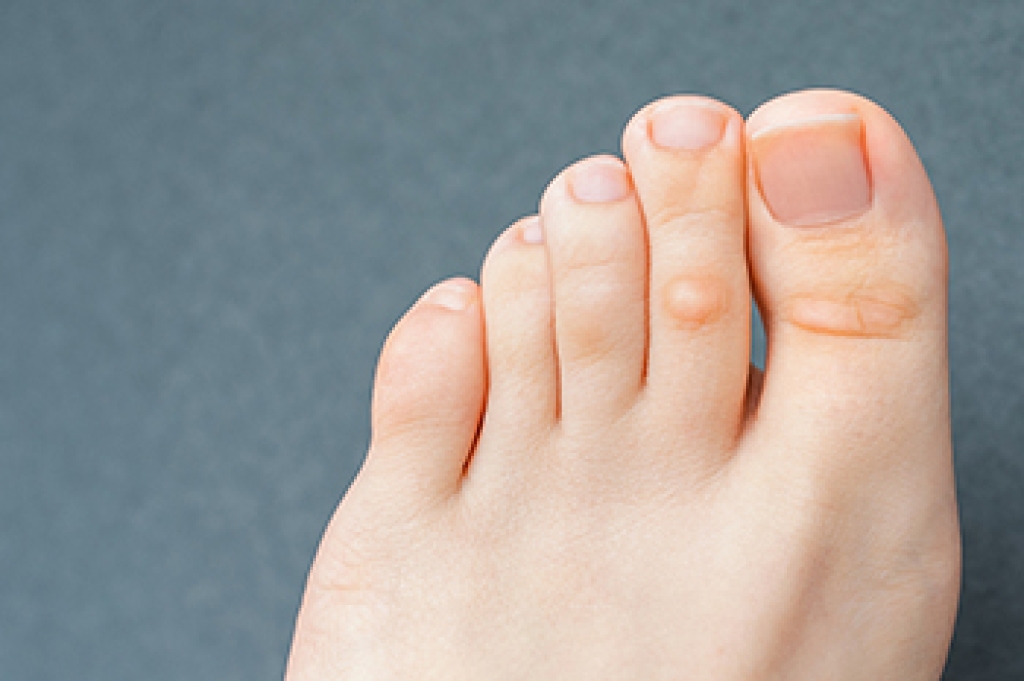
Corns and callouses on the feet develop when repeated pressure or friction causes the skin to thicken as a form of protection. They are commonly caused by tight shoes, foot structure issues, abnormal walking patterns, or activities that place stress on certain areas. Symptoms may include rough, hardened skin, tenderness, and localized pain that worsens with pressure. Corns often look small and raised with a hard central core, while callouses appear broader and flatter. They can feel sore or sensitive, especially when walking or wearing shoes. A podiatrist can help by starting with a detailed evaluation of foot structure, gait, and footwear to identify the source of pressure. Treatment may begin with safe removal of thickened skin and protective padding, followed by custom orthotics, shoe recommendations, and targeted exercises to reduce pressure and prevent recurrence. Ongoing care helps improve comfort and skin health. If you have painful corns or callouses on your feet, it is suggested that you make an appointment with a podiatrist.
Corns can make walking very painful and should be treated immediately. If you have questions regarding your feet and ankles, contact Dr. Douglas Mckay of New Jersey . Our doctor will treat your foot and ankle needs.
Corns: What Are They? And How Do You Get Rid of Them?
Corns are thickened areas on the skin that can become painful. They are caused by excessive pressure and friction on the skin. Corns press into the deeper layers of the skin and are usually round in shape.
Ways to Prevent Corns
There are many ways to get rid of painful corns such as:
Treating Corns
Although most corns slowly disappear when the friction or pressure stops, this isn’t always the case. Consult with your podiatrist to determine the best treatment option for your case of corns.
If you have any questions, please feel free to contact one of our offices located in Caldwell, and Galloway, NJ . We offer the newest diagnostic and treatment technologies for all your foot care needs.

A bunion is a bony prominence that forms at the base of the big toe when the joint becomes misaligned, and the tip of the toe gradually shifts toward the others. This condition often develops when the foot rolls inward, as seen with flat feet, placing extra stress on the joint, and it can be worsened by wearing tight or pointy shoes that crowd the toes. Common symptoms include pain, swelling, redness, and limited motion of the toe joint that may affect walking and daily comfort. Risk factors include family history, foot structure, and long-term footwear choices. A podiatrist can evaluate the cause, recommend custom orthotics, footwear changes, or advanced treatment options. If you have symptoms of a bunion, it is suggested that you consult a podiatrist who can offer effective relief and management tips.
If you are suffering from bunion pain, contact Dr. Douglas Mckay of New Jersey . Our doctor can provide the care you need to keep you pain-free and on your feet.
What Is a Bunion?
Bunions are painful bony bumps that usually develop on the inside of the foot at the joint of the big toe. As the deformity increases over time, it may become painful to walk and wear shoes. Women are more likely to exacerbate existing bunions since they often wear tight, narrow shoes that shift their toes together. Bunion pain can be relieved by wearing wider shoes with enough room for the toes.
Causes
Symptoms
In order to diagnose your bunion, your podiatrist may ask about your medical history, symptoms, and general health. Your doctor might also order an x-ray to take a closer look at your feet. Nonsurgical treatment options include orthotics, padding, icing, changes in footwear, and medication. If nonsurgical treatments don’t alleviate your bunion pain, surgery may be necessary.
If you have any questions, please feel free to contact one of our offices located in Caldwell, and Galloway, NJ . We offer the newest diagnostic and treatment technologies for all your foot care needs.

Ingrown toenails develop when the edge of a nail grows into the surrounding skin, leading to redness, swelling, and discomfort. Treatment depends on severity. Mild cases may improve with careful trimming, soaking the foot, and reducing pressure from tight shoes. When pain persists or infection develops, professional care is important. A podiatrist can safely remove the problematic nail portion and address underlying causes. In some cases a procedure is performed to prevent part of the nail from growing back. Prevention focuses on proper nail care and footwear choices. Toenails should be trimmed straight across rather than rounded at the corners. Shoes should allow enough room in the toe box to avoid crowding. Addressing nail thickness, foot shape, and walking mechanics can also reduce recurrence. If you have a problematic ingrown toenail, it is suggested that you make an appointment with a podiatrist.
Ingrown toenails can become painful if they are not treated properly. For more information about ingrown toenails, contact Dr. Douglas Mckay of New Jersey . Our doctor can provide the care you need to keep you pain-free and on your feet.
Ingrown Toenails
Ingrown toenails occur when a toenail grows sideways into the bed of the nail, causing pain, swelling, and possibly infection.
Causes
Prevention
Wearing proper fitting shoes and using proper cutting techniques will also help decrease your risk of developing ingrown toenails.
Treatment
Ingrown toenails are a very treatable foot condition. In minor cases, soaking the affected area in salt or antibacterial soaps will not only help with the ingrown nail itself, but also help prevent any infections from occurring. In more severe cases, surgery is an option. In either case, speaking to your podiatrist about this condition will help you get a better understanding of specific treatment options that are right for you.
If you have any questions, please feel free to contact one of our offices located in Caldwell, and Galloway, NJ . We offer the newest diagnostic and treatment technologies for all your foot care needs.
Connect With Us


