Achilles Tendon Injuries in Soccer Players

Achilles tendon injuries are common among soccer players due to repetitive running, sudden acceleration, and frequent jumping. Achilles tendinopathies refer to chronic irritation or degeneration of the tendon, often resulting in pain, swelling, and reduced performance. Mid portion Achilles tendinopathy affects the middle section of the tendon and typically develops from overuse, while insertion Achilles tendinopathy occurs where the tendon attaches to the heel bone and may involve inflammation or bone spurs. Symptoms may include stiffness, tenderness, swelling, and difficulty with explosive movements. A podiatrist can evaluate the extent of injury, provide targeted treatment, including orthotics, activity modification, and recommend surgical options, if necessary. If you have sustained an Achilles tendon injury, it is suggested that you consult a podiatrist who can accurately diagnose the problem, and offer effective treatment solutions.

Achilles tendon injuries need immediate attention to avoid future complications. If you have any concerns, contact Dr. Douglas Mckay of New Jersey . Our doctor can provide the care you need to keep you pain-free and on your feet.

What Is the Achilles Tendon?

The Achilles tendon is a tendon that connects the lower leg muscles and calf to the heel of the foot. It is the strongest tendon in the human body and is essential for making movement possible. Because this tendon is such an integral part of the body, any injuries to it can create immense difficulties and should immediately be presented to a doctor.

What Are the Symptoms of an Achilles Tendon Injury?

There are various types of injuries that can affect the Achilles tendon. The two most common injuries are Achilles tendinitis and ruptures of the tendon.

Achilles Tendinitis Symptoms

  • Inflammation
  • Dull to severe pain
  • Increased blood flow to the tendon
  • Thickening of the tendon

Rupture Symptoms

  • Extreme pain and swelling in the foot
  • Total immobility

Treatment and Prevention

Achilles tendon injuries are diagnosed by a thorough physical evaluation, which can include an MRI. Treatment involves rest, physical therapy, and in some cases, surgery. However, various preventative measures can be taken to avoid these injuries, such as:

  • Thorough stretching of the tendon before and after exercise
  • Strengthening exercises like calf raises, squats, leg curls, leg extensions, leg raises, lunges, and leg presses

If you have any questions please feel free to contact one of our offices located in Caldwell, and Galloway, NJ . We offer the newest diagnostic tools and technology to treat your foot and ankle needs.


Read more about Achilles Tendon Injuries

Reminder: When Was the Last Time...?

Custom orthotics, or shoe inserts, should be periodically replaced. Orthotics must fit properly to give you the best results. Protect your feet and ankles!

Gout and the Health Conditions That Often Accompany It

Gout is a painful inflammatory joint condition caused by a buildup of uric acid crystals in the joints. The big toe is commonly affected, but gout can also involve the foot, ankle, and other joints. While the sudden joint pain often receives the most attention, gout is frequently linked with other health concerns that can affect overall well-being. These related conditions are known as comorbidities. People with gout may also have high blood pressure, kidney disease, diabetes, or obesity. Over time, untreated gout can lead to additional complications such as joint damage, chronic inflammation, and firm deposits of uric acid crystals called tophi that form under the skin. Repeated flare-ups may also limit mobility and daily activity. Managing gout early helps reduce the risk of long-term joint damage and other health complications. When recurring foot or ankle pain suggests gout, evaluation by a podiatrist is suggested for a diagnosis and appropriate treatment.

Gout is a foot condition that requires certain treatment and care. If you are seeking treatment, contact Dr. Douglas Mckay from New Jersey . Our doctor will treat your foot and ankle needs.

What Is Gout?

Gout is a type of arthritis caused by a buildup of uric acid in the bloodstream. It often develops in the foot, especially the big toe area, although it can manifest in other parts of the body as well. Gout can make walking and standing very painful and is especially common in diabetics and the obese.

People typically get gout because of a poor diet. Genetic predisposition is also a factor. The children of parents who have had gout frequently have a chance of developing it themselves.

Gout can easily be identified by redness and inflammation of the big toe and the surrounding areas of the foot. Other symptoms include extreme fatigue, joint pain, and running high fevers. Sometimes corticosteroid drugs can be prescribed to treat gout, but the best way to combat this disease is to get more exercise and eat a better diet.

If you have any questions, please feel free to contact one of our offices located in Caldwell, and Galloway, NJ . We offer the newest diagnostic and treatment technologies for all your foot care needs.

Read more about Gout

When the Talus Bone Is Fractured

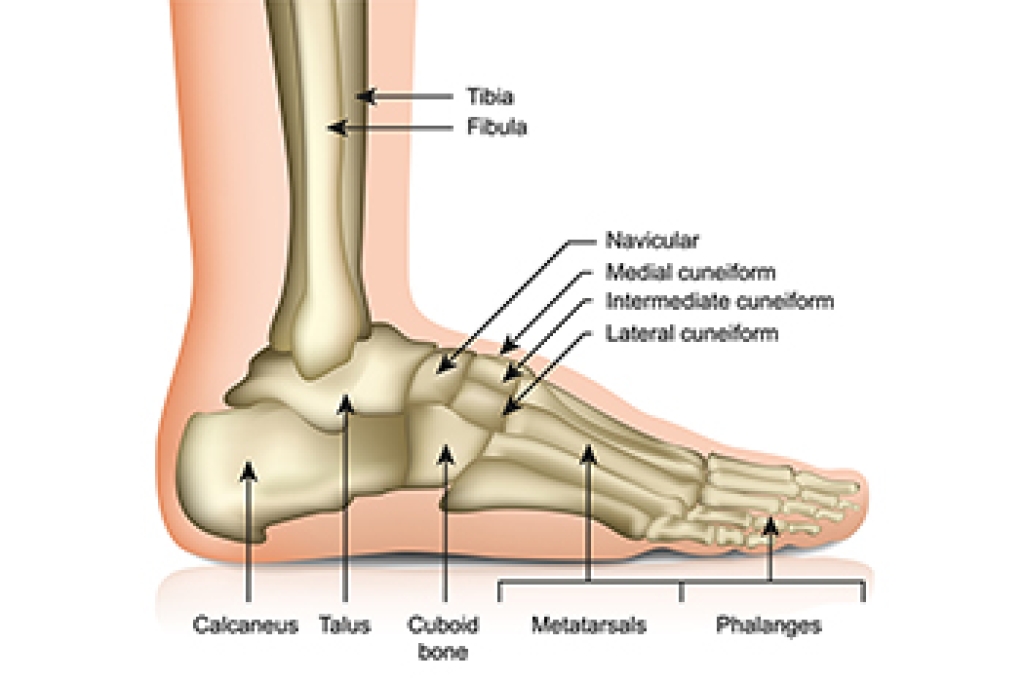
A fractured talus can cause intense ankle pain, swelling, and difficulty walking because this bone connects the leg to the foot and helps control movement. It supports the ankle joint and the subtalar joint, which is located below the ankle and allows the foot to move side to side on uneven surfaces. The injury often follows a strong impact like a fall, and people may notice bruising, stiffness, and trouble moving the ankle or toes. A podiatrist can evaluate foot stability, check circulation and nerve response, and order imaging to see whether the bone has shifted. A stable fracture can be managed with a cast to limit motion, while a displaced fracture can require surgery to realign the bone. Without proper healing, arthritis can develop or the bone can heal in the wrong position. If you have symptoms of a talus fracture, it is suggested that you make an appointment with a podiatrist for a diagnosis and options for treatment.

Broken ankles need immediate treatment. If you are seeking treatment, contact Dr. Douglas Mckay from New Jersey . Our doctor can provide the care you need to keep you pain-free and on your feet. 

Broken Ankles
A broken ankle is experienced when a person fractures their tibia or fibula in the lower leg and ankle area. Both of these bones are attached at the bottom of the leg and combine to form what we know to be our ankle.

When a physician is referring to a break of the ankle, he or she is usually referring to a break in the area where the tibia and fibula are joined to create our ankle joint. Ankles are more prone to fractures because the ankle is an area that suffers a lot of pressure and stress. There are some obvious signs when a person experiences a fractured ankle, and the following symptoms may be present.

Symptoms of a Fractured Ankle

  • Excessive pain when the area is touched or when any pressure is placed on the ankle
  • Swelling around the area
  • Bruising of the area
  • Area appears to be deformed

If you suspect an ankle fracture, it is recommended to seek treatment as soon as possible. The sooner you have your podiatrist diagnose the fracture, the quicker you’ll be on the way towards recovery.

If you have any questions, please feel free to contact one of our offices located in Caldwell, and Galloway, NJ . We offer the newest diagnostic and treatment technologies for all your foot care needs.

Read more about Broken Ankle Causes, Differences, Symptoms and Treatments

Early Recognition of Toenail Fungus

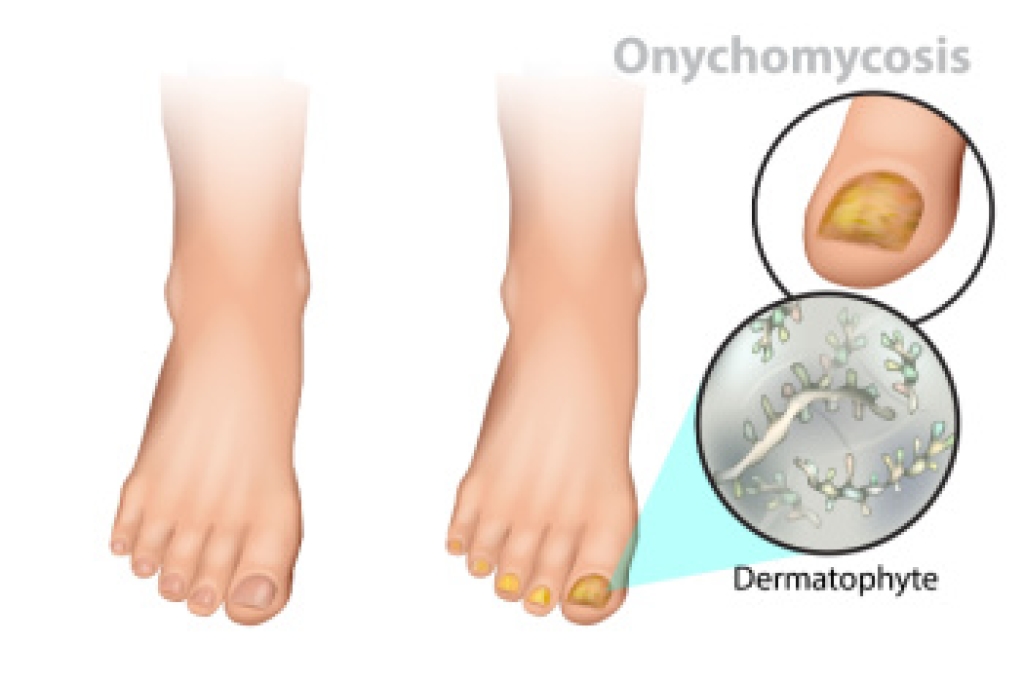
Toenail fungus is a common infection that develops when fungi invade the nail through small cracks or separations between the nail and nail bed. Early symptoms often include mild discoloration, subtle white or yellow spots, and slight thickening of the nail. As the condition progresses, the nail may become brittle, distorted, darker in color, and develop debris beneath the surface. In advanced stages, the nail can separate from the nail bed and cause discomfort or odor. Causes include minor nail trauma and warm, moist environments, such as locker rooms and pool areas.  Risk factors include diabetes, reduced immunity, aging, and wearing tight footwear. A podiatrist can confirm the diagnosis and provide effective treatment. If you have symptoms of toenail fungus, it is suggested that you promptly consult a podiatrist who can begin appropriate treatment solutions, which may include prescribed medication.

If left untreated, toenail fungus may spread to other toenails, skin, or even fingernails. If you suspect you have toenail fungus it is important to seek treatment right away. For more information about treatment, contact Dr. Douglas Mckay of New Jersey . Our doctor can provide the care you need to keep you pain-free and on your feet.

Symptoms

  • Warped or oddly shaped nails
  • Yellowish nails
  • Loose/separated nail
  • Buildup of bits and pieces of nail fragments under the nail
  • Brittle, broken, thickened nail

Treatment

If self-care strategies and over-the-counter medications does not help your fungus, your podiatrist may give you a prescription drug instead. Even if you find relief from your toenail fungus symptoms, you may experience a repeat infection in the future.

Prevention

In order to prevent getting toenail fungus in the future, you should always make sure to wash your feet with soap and water. After washing, it is important to dry your feet thoroughly especially in between the toes. When trimming your toenails, be sure to trim straight across instead of in a rounded shape. It is crucial not to cover up discolored nails with nail polish because that will prevent your nail from being able to “breathe”.

In some cases, surgical procedure may be needed to remove the toenail fungus. Consult with your podiatrist about the best treatment options for your case of toenail fungus.  

If you have any questions please contact one of our offices located in Caldwell, and Galloway, NJ . We offer the newest diagnostic and treatment technologies for all your foot and ankle needs.

Read more about How to Treat Your Toenail Fungus

Connect With Us