
Do you suffer from heel pain when you get up in the morning? If so, you should seek professional help and have a proper diagnosis performed. Heel pain can be caused by several different foot-related conditions.
Do you suffer from heel pain when you get up in the morning? If so, you should seek professional help and have a proper diagnosis performed. Heel pain can be caused by several different foot-related conditions.
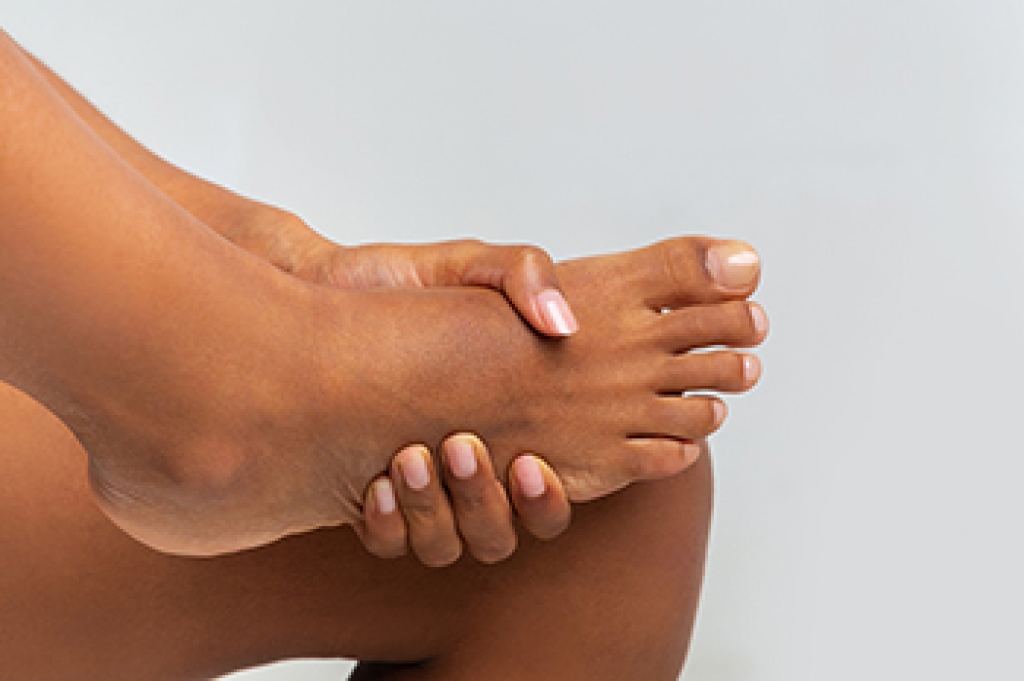
Foot pain that includes cramping can be uncomfortable and sometimes sudden, often causing the muscles in the foot or toes to tighten or spasm. These cramps may feel sharp, pulling, or twisting, and can occur during rest, sleep, or activity. The foot may appear tense or stiff during an episode, and soreness can linger afterward. Common causes include muscle fatigue, dehydration, and poor circulation. Electrolyte imbalance or unsupportive footwear are other factors. Certain conditions, such as nerve issues or overuse, also can contribute to frequent cramping. A podiatrist can evaluate the pattern and triggers of the cramps, examine foot structure, and help identify any underlying concerns. Treatment includes supportive footwear, custom orthotics, and targeted exercises to improve flexibility and reduce muscle strain. Guidance on hydration and proper foot care may also be provided. Early attention can help prevent recurring discomfort and improve overall foot function. If you have foot pain from cramps, it is suggested that you make an appointment with a podiatrist.
Foot Pain
Foot pain can be extremely painful and debilitating. If you have a foot pain, consult with Dr. Douglas Mckay from New Jersey . Our doctor will assess your condition and provide you with quality foot and ankle treatment.
Causes
Foot pain is a very broad condition that could be caused by one or more ailments. The most common include:
Diagnosis
To figure out the cause of foot pain, podiatrists utilize several different methods. This can range from simple visual inspections and sensation tests to X-rays and MRI scans. Prior medical history, family medical history, and any recent physical traumatic events will all be taken into consideration for a proper diagnosis.
Treatment
Treatment depends upon the cause of the foot pain. Whether it is resting, staying off the foot, or having surgery; podiatrists have a number of treatment options available for foot pain.
If you have any questions, please feel free to contact one of our offices located in Caldwell, and Galloway, NJ . We offer the newest diagnostic and treatment technologies for all your foot care needs.

An ingrown toenail is a painful condition in which the edge of the nail grows into the surrounding skin, usually affecting the big toe. This can lead to redness, swelling, tenderness, and sometimes drainage, if the area becomes infected. The toe may feel sore with pressure, especially while wearing shoes, and the skin along the nail border may appear inflamed or thickened. Causes include improper nail trimming, wearing tight footwear, injury, or naturally curved nails. A podiatrist can evaluate the severity of the ingrown nail and provide relief with safe and effective treatment. Care may include gentle removal of the ingrown portion, treatment of infection if present, and guidance on proper nail trimming and footwear. In recurring or severe cases, a minor in-office procedure may be performed to prevent the nail from growing inward again. If you have an ingrown toenail, it is suggested that you schedule an appointment with a podiatrist for appropriate treatment solutions.
Ingrown toenails may initially present themselves as a minor discomfort, but they may progress into an infection in the skin without proper treatment. For more information about ingrown toenails, contact Dr. Douglas Mckay of New Jersey . Our doctor can provide the care you need to keep you pain-free and on your feet.
Ingrown Toenails
Ingrown toenails are caused when the corner or side of a toenail grows into the soft flesh surrounding it. They often result in redness, swelling, pain, and in some cases, infection. This condition typically affects the big toe and may recur if it is not treated properly.
Causes
You are more likely to develop an ingrown toenail if you are obese, have diabetes, arthritis, or have any fungal infection in your nails. Additionally, people who have foot or toe deformities are at a higher risk of developing an ingrown toenail.
Symptoms
Some symptoms of ingrown toenails are redness, swelling, and pain. In rare cases, there may be a yellowish drainage coming from the nail.
Treatment
Ignoring an ingrown toenail can have serious complications. Infections of the nail border can progress to a deeper soft-tissue infection, which can then turn into a bone infection. You should always speak with your podiatrist if you suspect you have an ingrown toenail, especially if you have diabetes or poor circulation.
If you have any questions, please feel free to contact one of our offices located in Caldwell, and Galloway, NJ . We offer the newest diagnostic and treatment technologies for all your foot care needs.

Ankle pain refers to discomfort in the joint formed by the tibia, fibula, and talus bones, which work together to support movement and balance. Pain can result from injuries to any of these bones, or the ligaments and cartilage between them. Common causes include awkward turning, twisting, or rolling of the ankle, as well as repetitive strain from overuse. This condition is especially common among athletes and active individuals. Risk factors include wearing improper footwear, uneven surfaces, and poor conditioning. Symptoms may include swelling, stiffness, bruising, and difficulty walking. A podiatrist can diagnose the source of pain, provide targeted treatment, and recommend supportive footwear or orthotics. Early care can prevent further injury and restore mobility. If you have ankle pain, it is suggested that you promptly consult a podiatrist who can determine what the cause is, and offer appropriate relief and treatment solutions.
Ankle pain can be caused by a number of problems and may be potentially serious. If you have ankle pain, consult with Dr. Douglas Mckay from New Jersey . Our doctor will assess your condition and provide you with quality foot and ankle treatment.
Ankle pain is any condition that causes pain in the ankle. Due to the fact that the ankle consists of tendons, muscles, bones, and ligaments, ankle pain can come from a number of different conditions.
Causes
The most common causes of ankle pain include:
Symptoms
Symptoms of ankle injury vary based upon the condition. Pain may include general pain and discomfort, swelling, aching, redness, bruising, burning or stabbing sensations, and/or loss of sensation.
Diagnosis
Due to the wide variety of potential causes of ankle pain, podiatrists will utilize a number of different methods to properly diagnose ankle pain. This can include asking for personal and family medical histories and of any recent injuries. Further diagnosis may include sensation tests, a physical examination, and potentially x-rays or other imaging tests.
Treatment
Just as the range of causes varies widely, so do treatments. Some more common treatments are rest, ice packs, keeping pressure off the foot, orthotics and braces, medication for inflammation and pain, and surgery.
If you have any questions please feel free to contact one of our offices located in Caldwell, and Galloway, NJ . We offer the newest diagnostic tools and technology to treat your foot and ankle needs.
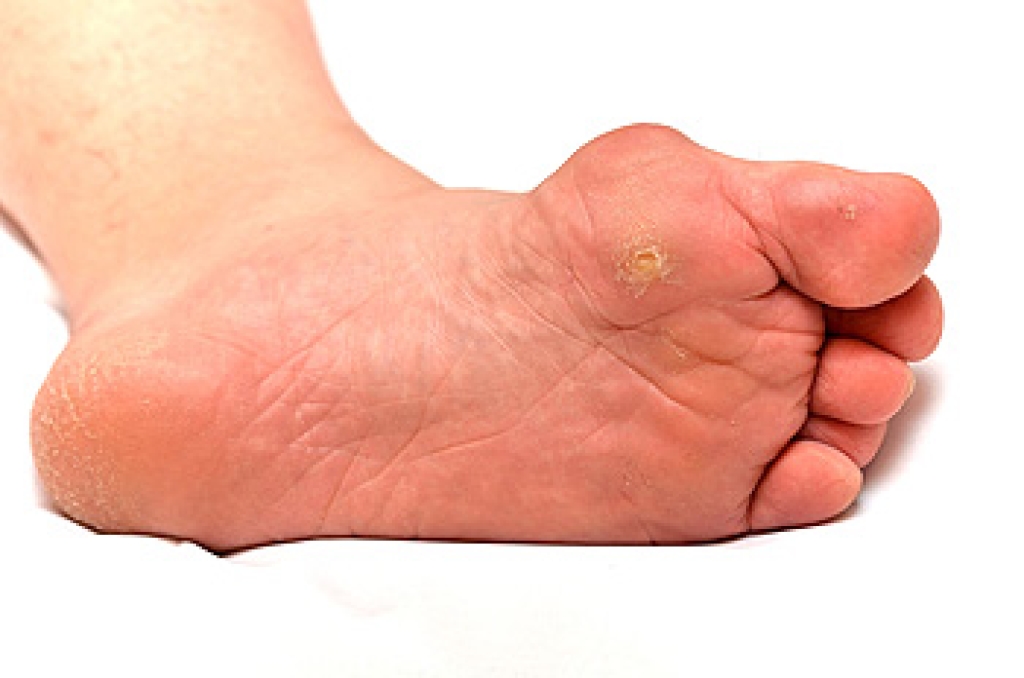
Corns and calluses are thickened areas of skin that develop from repeated pressure or friction. A corn is a small, focused area of hardened skin that often forms on or between toes and may feel painful due to its deeper core. A callus is a larger, flatter area that usually develops on the bottom of the foot, and may feel rough rather than painful. Treatment begins by reducing the source of pressure, which may include wearing better fitting shoes, padding, or custom orthotics. A podiatrist can safely trim thickened skin to relieve discomfort and improve function. In some cases, underlying foot structure or walking patterns need to be addressed to prevent the return of these problems. Avoid cutting these areas at home, as this can lead to injury or infection. If you have persistent thickened skin or pain on your feet, it is suggested that you see a podiatrist for a proper diagnosis and appropriate care.
If you have any concerns regarding your feet and ankles, contact Dr. Douglas Mckay of New Jersey . Our doctor will treat your foot and ankle needs.
Corns: What Are They? and How Do You Get Rid of Them?
Corns can be described as areas of the skin that have thickened to the point of becoming painful or irritating. They are often layers and layers of the skin that have become dry and rough, and are normally smaller than calluses.
Ways to Prevent Corns
There are many ways to get rid of painful corns such as wearing:
Treating Corns
Treatment of corns involves removing the dead skin that has built up in the specific area of the foot. Consult with Our doctor to determine the best treatment option for your case of corns.
If you have any questions, please feel free to contact one of our offices located in Caldwell, and Galloway, NJ . We offer the newest diagnostic and treatment technologies for all your foot care needs.
Connect With Us


