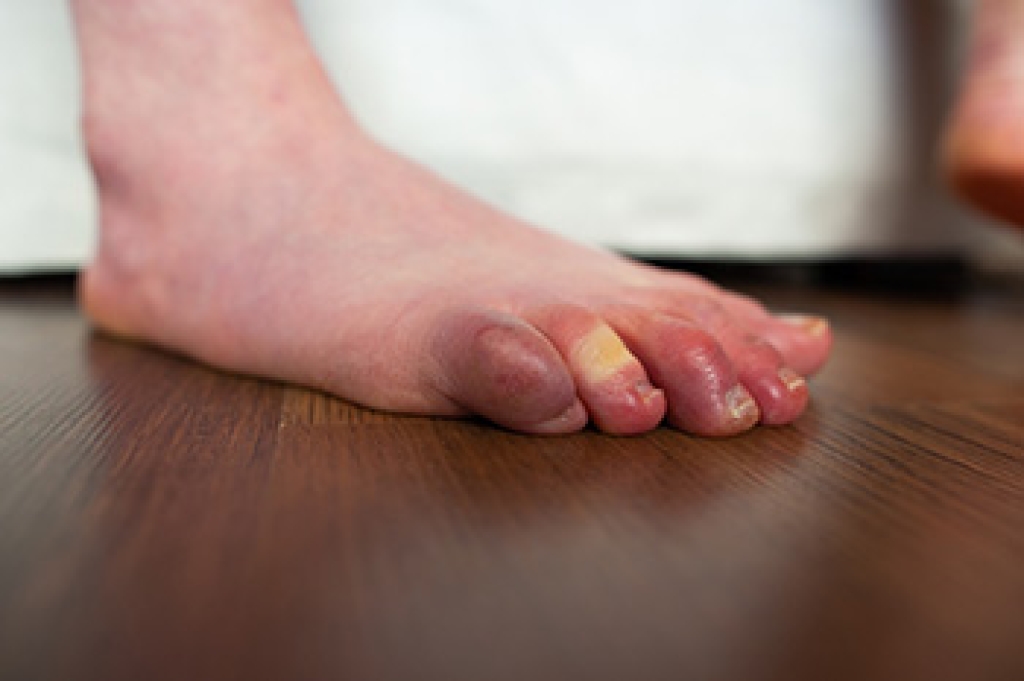
Trench Foot Explained

Trench foot, also known as immersion foot, is a non-freezing cold injury that develops when the feet are exposed to wet and cold conditions for an extended period of time. This condition gained recognition during wartime, but remains relevant today in outdoor workers, athletes, and individuals exposed to damp environments. Prolonged moisture weakens the skin barrier and disrupts circulation, leading to tissue damage. Unlike frostbite, trench foot can occur in temperatures above freezing, making awareness essential for prevention and early care. Understanding this condition supports better foot health and reduces the risk of long term complications.

The symptoms of trench foot often begin with tingling, itching, or a burning sensation in the feet. As the condition progresses, the skin may appear pale, wrinkled, or waterlogged. Swelling and pain can develop, along with redness, once circulation begins to return. In more advanced stages, blisters, open sores, and skin breakdown may occur, increasing the risk of infection. Some individuals also experience numbness or heaviness in the affected area. Recognizing these symptoms early is important to prevent further damage and support proper recovery.

Several risk factors increase the likelihood of developing trench foot. Prolonged exposure to wet socks, damp shoes, or standing water is the primary cause. Cold weather conditions combined with poor foot hygiene further contribute to the risk. Wearing tight footwear that restricts circulation can worsen the condition, as can limited mobility or prolonged standing. Individuals with poor circulation or underlying health conditions may be more vulnerable. Understanding these risk factors helps guide preventive strategies and supports overall foot care in challenging environments.

The main cause of trench foot is sustained exposure to moisture and cold, which leads to constricted blood vessels and reduced oxygen supply to the tissues. This combination damages the skin and underlying structures over time. Preventive care includes keeping feet clean and dry, changing socks regularly, and wearing properly fitted water resistant footwear. Early intervention is essential to avoid complications such as infection or tissue damage. If you have symptoms of trench foot, it is suggested you consult a podiatrist for an accurate diagnosis and appropriate treatment.

Foot Pain

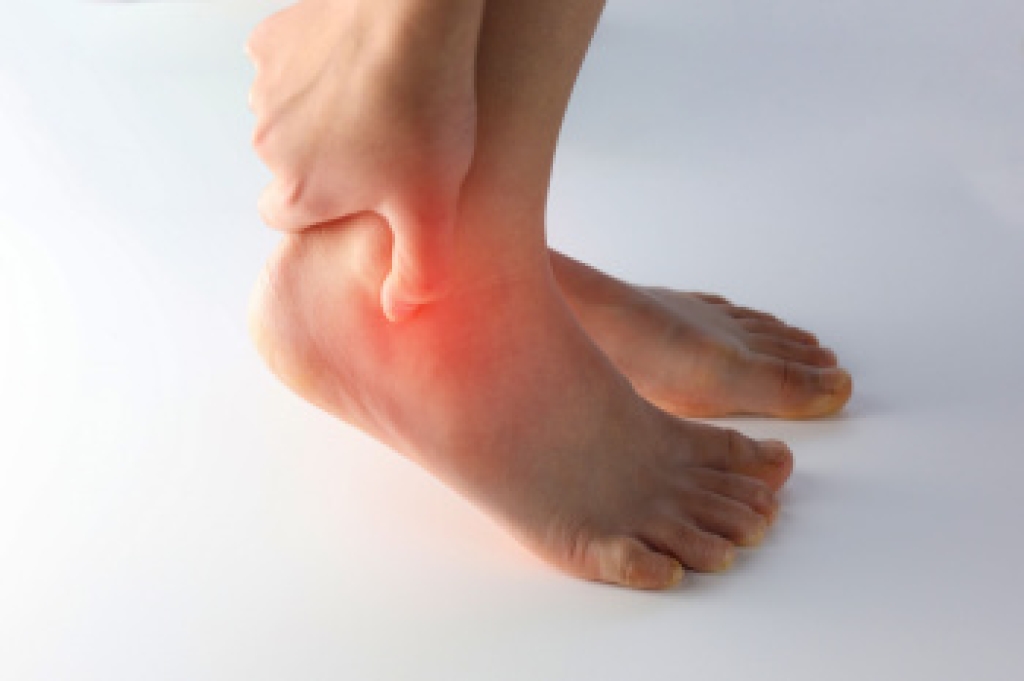
Foot pain can be extremely painful and debilitating. If you have a foot pain, consult with Dr. Douglas Mckay from New Jersey . Our doctor will assess your condition and provide you with quality foot and ankle treatment.

Causes

Foot pain is a very broad condition that could be caused by one or more ailments. The most common include:

  • Bunions
  • Hammertoes
  • Plantar Fasciitis
  • Bone Spurs
  • Corns
  • Tarsal Tunnel Syndrome
  • Ingrown Toenails
  • Arthritis (such as Gout, Rheumatoid, and Osteoarthritis)
  • Flat Feet
  • Injury (from stress fractures, broken toe, foot, ankle, Achilles tendon ruptures, and sprains)
  • And more

Diagnosis

To figure out the cause of foot pain, podiatrists utilize several different methods. This can range from simple visual inspections and sensation tests to X-rays and MRI scans. Prior medical history, family medical history, and any recent physical traumatic events will all be taken into consideration for a proper diagnosis.

Treatment

Treatment depends upon the cause of the foot pain. Whether it is resting, staying off the foot, or having surgery; podiatrists have a number of treatment options available for foot pain.

If you have any questions, please feel free to contact one of our offices located in Caldwell, and Galloway, NJ . We offer the newest diagnostic and treatment technologies for all your foot care needs.

Read more about Foot Pain

Wounds That Don't Heal Need to Be Checked

Your feet are covered most of the day. If you're diabetic, periodic screening is important for good health. Numbness is often a sign of diabetic foot and can mask a sore or wound.

Why Ankle Swelling Changes With the Seasons

Ankle swelling can become more noticeable during certain times of year, especially in warmer weather. Heat causes blood vessels to widen, which can allow more fluid to collect in the lower legs and ankles, particularly after long periods of standing or sitting. Summer travel, increased outdoor activity, and dehydration can also contribute to swelling. Colder months may bring different concerns, including reduced activity levels that slow circulation and allow fluid buildup. Seasonal footwear changes can play a role as well, since less supportive shoes may place added stress on the feet and ankles. While occasional mild swelling may be related to environmental factors, persistent or one-sided swelling can signal circulation problems, vein issues, injury, inflammation, or other medical concerns. A podiatrist can help determine whether swelling is mechanical or related to an underlying condition. If ankle swelling becomes frequent, painful, or unexplained, it is suggested that you visit a podiatrist for evaluation and appropriate relief and management solutions.

Ankle pain can have many different causes and the pain may potentially be serious. If you have ankle pain, consult with Dr. Douglas Mckay from New Jersey . Our doctor will assess your condition and provide you with quality foot and ankle treatment.

Ankle pain is any condition that causes pain in the ankle. Due to the fact that the ankle consists of tendons, muscles, bones, and ligaments, ankle pain can come from a number of different conditions.

Causes

The most common causes of ankle pain include:

  • Types of arthritis (rheumatoid, osteoarthritis, and gout)
  • Ankle sprains
  • Broken ankles
  • Achilles tendinitis
  • Achilles tendon rupture
  • Stress fractures
  • Tarsal tunnel syndrome
  • Plantar fasciitis

Symptoms

Symptoms of ankle injury vary based upon the condition. Pain may include general pain and discomfort, swelling, aching, redness, bruising, burning or stabbing sensations, and/or loss of sensation.

Diagnosis

Due to the wide variety of potential causes of ankle pain, podiatrists will utilize a number of different methods to properly diagnose ankle pain. This can include asking for personal and family medical histories and of any recent injuries. Further diagnosis may include sensation tests, a physical examination, and potentially x-rays or other imaging tests.

Treatment

Just as the range of causes varies widely, so do treatments. Some more common treatments are rest, ice packs, keeping pressure off the foot, orthotics and braces, medication for inflammation and pain, and surgery.

If you have any questions please feel free to contact one of our offices located in Caldwell, and Galloway, NJ . We offer the newest diagnostic tools and technology to treat your foot and ankle needs.

Read more about Various Causes of Ankle Pain

Blisters Between Toes and Their Causes

Foot blisters between the toes are fluid-filled pockets that form when the skin becomes irritated or damaged. They often appear as small, tender bumps that can feel sore when walking or wearing shoes. This condition happens when friction, moisture, or irritation weakens the skin barrier. Common causes include tight footwear, excessive sweating, allergic reactions to materials, and fungal infections that weaken skin health. Risk factors include long periods of walking, poor shoe ventilation, and warm, humid environments that encourage moisture buildup. Over time, these blisters may become more painful or prone to infection if the skin breaks. A podiatrist can evaluate the underlying cause, check for infection or fungal involvement, and provide treatment to protect the skin and support healing. If you have blisters between your toes, it is suggested that you consult a podiatrist who can offer effective relief tips.

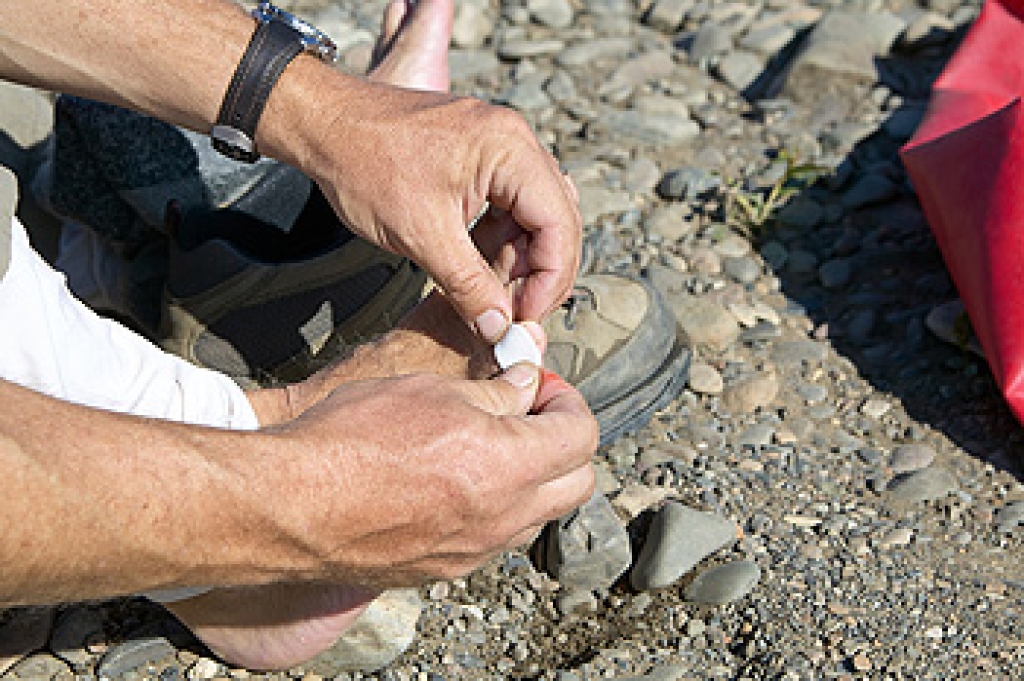
Blisters may appear as a single bubble or in a cluster. They can cause a lot of pain and may be filled with pus, blood, or watery serum. If your feet are hurting, contact Dr. Douglas Mckay of New Jersey . Our doctor can provide the care you need to keep you pain-free and on your feet.

Foot Blisters

Foot blisters are often the result of friction. This happens due to the constant rubbing from shoes, which can lead to pain.

What Are Foot Blisters?

A foot blister is a small fluid-filled pocket that forms on the upper-most layer of the skin. Blisters are filled with clear fluid and can lead to blood drainage or pus if the area becomes infected.

Symptoms

(Blister symptoms may vary depending on what is causing them)

  • Bubble of skin filled with fluid
  • Redness
  • Moderate to severe pain
  • Itching

Prevention & Treatment

In order to prevent blisters, you should be sure to wear comfortable shoes with socks that cushion your feet and absorb sweat. Breaking a blister open may increase your chances of developing an infection. However, if your blister breaks, you should wash the area with soap and water immediately and then apply a bandage to the affected area. If your blisters cause severe pain it is important that you call your podiatrist right away.

If you have any questions, please feel free to contact one of our offices located in Caldwell, and Galloway, NJ . We offer the newest diagnostic and treatment technologies for all your foot care needs.
Read more about Blisters

How to Prevent Ankle Pain While Running

Ankle pain while running can develop from several factors that place stress on the joints and surrounding tissues. Poor running form may cause uneven movement and strai. Running on uneven surfaces can increase the risk of twisting or overloading the ankle. Wearing unsuitable footwear may fail to provide proper support. Weak ankles can make it harder to maintain stability. Prevention focuses on strengthening the ankles through simple exercises, choosing supportive running shoes, and building conditioning gradually to avoid sudden stress. Risk factors include overuse, lack of strength, and improper technique. A podiatrist can assess your gait, recommend proper footwear, and create a plan to improve strength and alignment. If you have ankle or foot pain from running, it is suggested that you consult a podiatrist who can offer effective treatment remedies and guide you on running injury prevention.

Exercising your feet regularly with the proper foot wear is a great way to prevent injuries. If you have any concerns about your feet, contact Dr. Douglas Mckay of New Jersey . Our doctor will treat your foot and ankle needs.

How to Prevent Running Injuries

Many common running injuries are caused by overuse and overtraining. When the back of the kneecap starts wearing out and starts causing pain in your knee, this is commonly referred to as runner’s knee. Runner’s knee is a decrease in strength in your quadriceps and can occur if you’re not wearing properly fitted or supporting shoes. To prevent runner’s knee, focusing on hip strengthening is a good idea, as well as strengthening your quads to keep the kneecaps aligned.

What Are Some Causes of Running Injuries? 
- One cause of a common running injury is called iliotibial band syndrome.
- Plantar fasciitis is also another common injury.
- Stress fractures can occur from overtraining, lack of calcium, or even your running style.

Best Ways to Prevent Running Injuries
- Wear footwear that fits properly and suits your running needs.
- Running shoes are the only protective gear that runners have to safeguard them from injury.
- Make a training schedule. Adding strengthening exercises as well as regular stretching can help keep you strong and limber and can lessen the possibility of injuries.
- Stretching keeps muscles limber; this will help you gain better flexibility.

If you have any questions, please feel free to contact one of our offices located in Caldwell, and Galloway, NJ . We offer the newest diagnostic and treatment technologies for all your foot care needs.

Read more about How to Prevent Running Injuries

Connect With Us