How to Choose High Heels

The benefits of wearing high heels can include the legs appearing longer and slimmer. It may come with a price of having foot pain, and this can be the result of the shoes having inadequate room for the toes to move freely in. If the desire is strong to wear high heels, there are a variety of methods that can be implemented which may diminish foot pain. These can include getting your feet properly measured to determine the correct shoe size, keeping the heels about two inches high, and making sure there is enough cushioning and support in the shoe. Additionally, it may be beneficial to choose shoes that have rounded toes, as this can be helpful in preventing bunions, and other foot conditions. If you would like additional information on how high heels can affect your feet, please consult with a podiatrist.

High heels have a history of causing foot and ankle problems. If you have any concerns about your feet or ankles, contact Dr. Douglas Mckay from New Jersey . Our doctor can provide the care you need to keep you pain-free and on your feet.

Effects of High Heels on the Feet

High heels are popular shoes among women because of their many styles and societal appeal.  Despite this, high heels can still cause many health problems if worn too frequently.

Which Parts of My Body Will Be Affected by High Heels?

  • Ankle Joints
  • Achilles Tendon – May shorten and stiffen with prolonged wear
  • Balls of the Feet
  • Knees – Heels cause the knees to bend constantly, creating stress on them
  • Back – They decrease the spine’s ability to absorb shock, which may lead to back pain.  The vertebrae of the lower back may compress.

What Kinds of Foot Problems Can Develop from Wearing High Heels?

  • Corns
  • Calluses
  • Hammertoe
  • Bunions
  • Morton’s Neuroma
  • Plantar Fasciitis

How Can I Still Wear High Heels and Maintain Foot Health?

If you want to wear high heeled shoes, make sure that you are not wearing them every day, as this will help prevent long term physical problems.  Try wearing thicker heels as opposed to stilettos to distribute weight more evenly across the feet.  Always make sure you are wearing the proper shoes for the right occasion, such as sneakers for exercising.  If you walk to work, try carrying your heels with you and changing into them once you arrive at work.  Adding inserts to your heels can help cushion your feet and absorb shock. Full foot inserts or metatarsal pads are available. 

If you have any questions, please feel free to contact one of our offices located in Caldwell, and Galloway, NJ . We offer the newest diagnostic and treatment technologies for all your foot care needs.

Read more about Effect of High Heels on the Feet

Who Does Sever’s Disease Affect?

The medical condition that is referred to as Sever’s disease affects the growth plate in the heel. It typically occurs during a growth spurt that happens during puberty. The people that may experience this are teenagers who participate in running and jumping activities, and the growth plate may become injured. The symptoms that are commonly associated with this condition include heel pain, limping, and the feet may feel stiff upon arising in the morning. Mild relief can be found when shoe inserts are worn which can help to protect the heel, and wearing an elastic bandage may aid in reducing existing pain and swelling. If you notice your child is experiencing any of these symptoms, please schedule a consultation with a podiatrist, who can properly diagnosis and treat Sever’s disease.

Sever's disease often occurs in children and teens. If your child is experiencing foot or ankle pain, see Dr. Douglas Mckay from New Jersey . Our doctor can treat your child’s foot and ankle needs.

Sever’s Disease

Sever’s disease is also known as calcaneal apophysitis, which is a medical condition that causes heel pain I none or both feet. The disease is known to affect children between the ages of 8 and 14.

Sever’s disease occurs when part of the child’s heel known as the growth plate (calcaneal epiphysis) is attached to the Achilles tendon. This area can suffer injury when the muscles and tendons of the growing foot do not keep pace with bone growth. Therefore, the constant pain which one experiences at the back of the heel will make the child unable to put any weight on the heel. The child is then forced to walk on their toes.

Symptoms

Acute pain – Pain associated with Sever’s disease is usually felt in the heel when the child engages in physical activity such as walking, jumping and or running.

Highly active – Children who are very active are among the most susceptible in experiencing Sever’s disease, because of the stress and tension placed on their feet.

If you have any questions, please feel free to contact one of our offices located in Caldwell, and Galloway, NJ . We offer the newest diagnostic and treatment technologies for all your foot care needs.

Read more about Sever's Disease

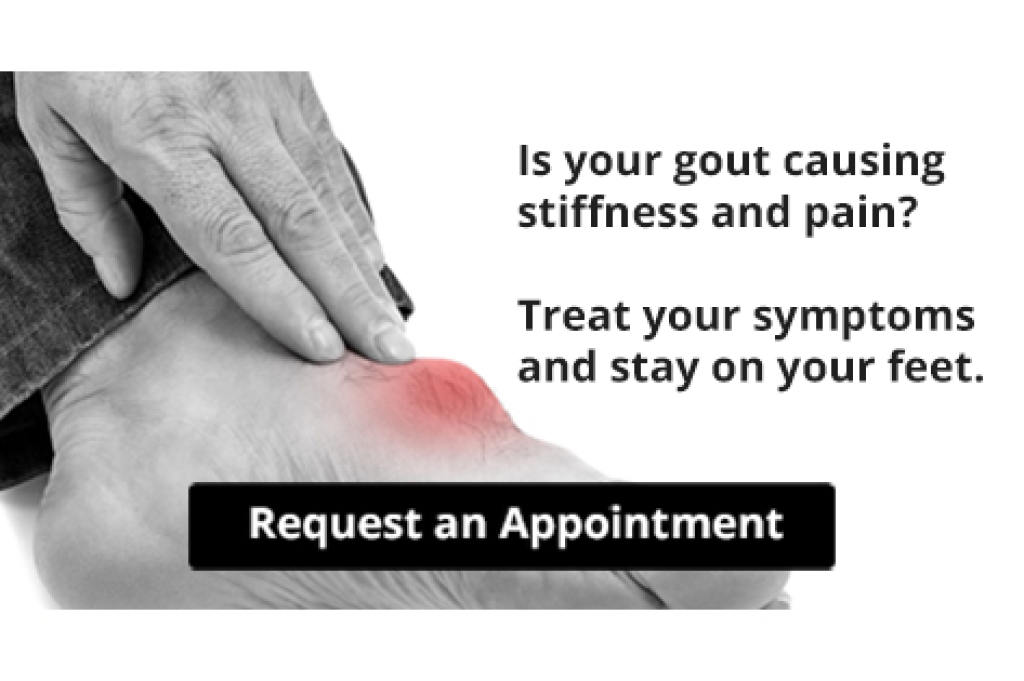
Gout Pain Can Be Managed

Gout is a painful, inflammatory form of arthritis. Those affected will typically feel an intense stiffness in the joints of their feet, particularly in the big toe. Schedule a visit to learn about how gout can be managed and treated.

Sports Foot and Ankle Injuries

Sports are physical activities, and with all physical activities comes the possibility of injury at some point. The parts of the body that are most prone to injury from sports are the foot and ankle. The most common foot and ankle injuries endured from sports are sprains, tendonitis, fractures and contusions. Other sports related injuries to the ankles and feet include strains, plantar fasciitis, tears in foot and ankle tendons as well as chronic ankle instability. If you are active in sports, it is recommended to see a podiatrist in order to ensure that the feet and ankles are in good shape.


Sports related foot and ankle injuries require proper treatment before players can go back to their regular routines. For more information, contact Dr. Douglas Mckay of New Jersey . Our doctor can provide the care you need to keep you pain-free and on your feet.

Sports Related Foot and Ankle Injuries

Foot and ankle injuries are a common occurrence when it comes to athletes of any sport. While many athletes dismiss the initial aches and pains, the truth is that ignoring potential foot and ankle injuries can lead to serious problems. As athletes continue to place pressure and strain the area further, a mild injury can turn into something as serious as a rupture and may lead to a permanent disability. There are many factors that contribute to sports related foot and ankle injuries, which include failure to warm up properly, not providing support or wearing bad footwear. Common injuries and conditions athletes face, including:

  • Plantar Fasciitis
  • Achilles Tendinitis
  • Achilles Tendon Rupture
  • Ankle Sprains

Sports related injuries are commonly treated using the RICE method. This includes rest, applying ice to the injured area, compression and elevating the ankle. More serious sprains and injuries may require surgery, which could include arthroscopic and reconstructive surgery. Rehabilitation and therapy may also be required in order to get any recovering athlete to become fully functional again. Any unusual aches and pains an athlete sustains must be evaluated by a licensed, reputable medical professional.

If you have any questions please contact one of our offices located in Caldwell, and Galloway, NJ . We offer the newest diagnostic and treatment technologies for all your foot and ankle needs.

Read more about Sports Related Foot And Ankle Injuries

Symptoms of Toenail Fungus

The medical term for toenail fungus is onychomycosis. This type of fungus typically lives and thrives in warm and moist environments, which often include public swimming pools, locker rooms, and shower room floors. It is considered to be contagious, and appropriate shoes should be worn while in these areas. There may be existing medical conditions that precede the development of toenail fungus. These can include diabetes, a weakened immune system, or a possible skin injury around the nail and surrounding areas. Some of the symptoms that are associated with this condition often include yellow or white streaks on the nail, brittleness of the nail, and some patients may lose the nail. If you notice symptoms of toenail fungus, it is suggested that you speak to a podiatrist who can properly treat this condition.

If left untreated, toenail fungus may spread to other toenails, skin, or even fingernails. If you suspect you have toenail fungus it is important to seek treatment right away. For more information about treatment, contact Dr. Douglas Mckay of New Jersey . Our doctor can provide the care you need to keep you pain-free and on your feet.

Symptoms

  • Warped or oddly shaped nails
  • Yellowish nails
  • Loose/separated nail
  • Buildup of bits and pieces of nail fragments under the nail
  • Brittle, broken, thickened nail

Treatment

If self-care strategies and over-the-counter medications does not help your fungus, your podiatrist may give you a prescription drug instead. Even if you find relief from your toenail fungus symptoms, you may experience a repeat infection in the future.

Prevention

In order to prevent getting toenail fungus in the future, you should always make sure to wash your feet with soap and water. After washing, it is important to dry your feet thoroughly especially in between the toes. When trimming your toenails, be sure to trim straight across instead of in a rounded shape. It is crucial not to cover up discolored nails with nail polish because that will prevent your nail from being able to “breathe”.

In some cases, surgical procedure may be needed to remove the toenail fungus. Consult with your podiatrist about the best treatment options for your case of toenail fungus.  

If you have any questions please contact one of our offices located in Caldwell, and Galloway, NJ . We offer the newest diagnostic and treatment technologies for all your foot and ankle needs.

Read more about Treating Toenail Fungus

Connect With Us