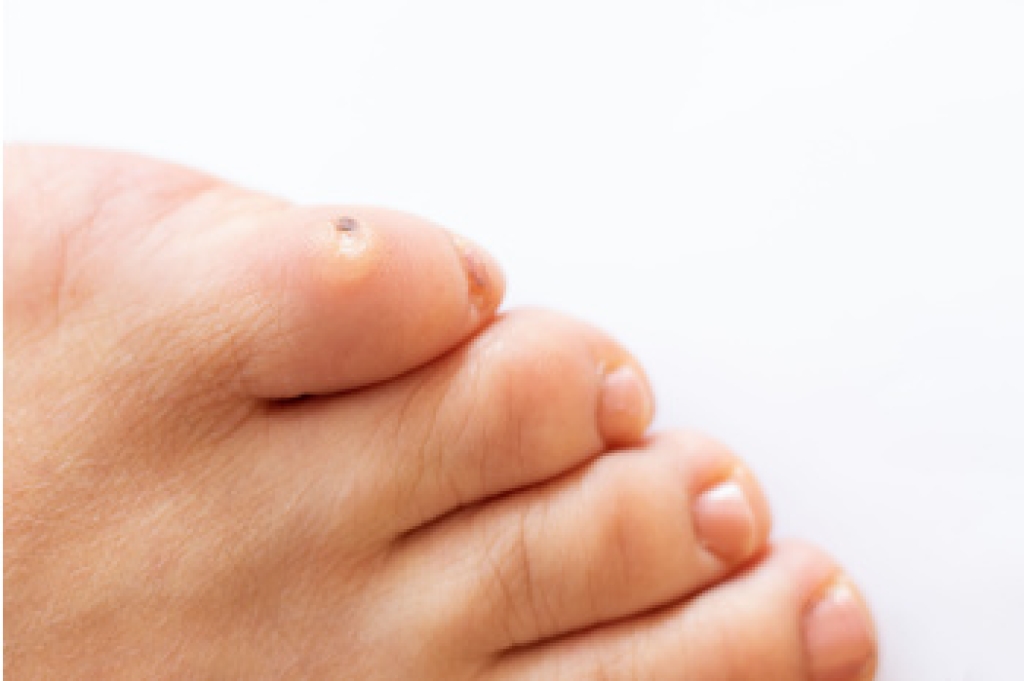
Causes and Treatment of Corns

Corns are small areas of thickened skin that develop when the foot is exposed to repeated pressure or friction. They usually form on the tops and sides of the toes, although they can also appear on the bottoms of the feet. Unlike calluses, which tend to cover larger areas, corns are often smaller and have a hard center. Many people notice pain when walking or when shoes press against the affected area. Corns can develop when toes rub against one another or when shoes create constant pressure on certain parts of the foot. Foot structure and toe deformities can also increase the risk of developing corns.

The symptoms of corns can become more noticeable as pressure continues. Patients frequently experience tenderness, soreness, and a feeling that something is pressing into the skin. The affected area may appear raised, hardened, and yellowish in color. Pain can become worse while walking or standing for long periods. Corns that form between the toes are usually softer because of moisture in that area. Even though corns are made of thickened skin, they can be surprisingly uncomfortable and interfere with daily activities. In some cases, the discomfort causes people to change the way they walk, which can place extra strain on other parts of the foot.

A podiatrist can determine whether a painful thickened area is a corn or another condition that requires different treatment. Diagnosis includes examining the foot and identifying the source of the pressure or friction. Treatment focuses on reducing discomfort and addressing the underlying cause. A podiatrist may carefully trim the thickened skin, recommend padding or orthotics, and evaluate whether shoes provide proper support and fit. Patients with diabetes or circulation problems should seek professional care because foot problems can become more serious. If you have symptoms of corns it is suggested that you make an appointment with a podiatrist for diagnosis and treatment.

Corns can make walking very painful and should be treated immediately. If you have questions regarding your feet and ankles, contact Dr. Douglas Mckay of New Jersey . Our doctor will treat your foot and ankle needs.

Corns: What Are They? And How Do You Get Rid of Them?
Corns are thickened areas on the skin that can become painful. They are caused by excessive pressure and friction on the skin. Corns press into the deeper layers of the skin and are usually round in shape.

Ways to Prevent Corns
There are many ways to get rid of painful corns such as:

  • Wearing properly fitting shoes that have been measured by a professional
  • Wearing shoes that are not sharply pointed or have high heels
  • Wearing only shoes that offer support

Treating Corns

Although most corns slowly disappear when the friction or pressure stops, this isn’t always the case. Consult with your podiatrist to determine the best treatment option for your case of corns.

If you have any questions, please feel free to contact one of our offices located in Caldwell, and Galloway, NJ . We offer the newest diagnostic and treatment technologies for all your foot care needs.
Read more about Corns and Calluses

Early Care Matters for Diabetic Foot Ulcers

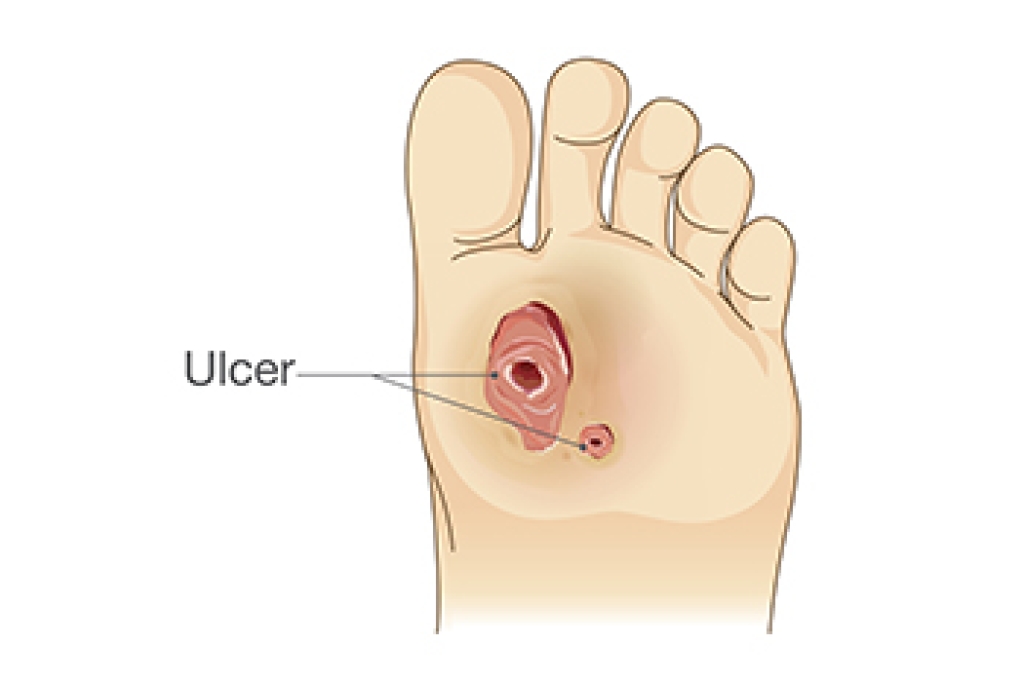
Diabetic foot ulcers are a serious complication of diabetes that occur when the skin breaks down and forms an open wound. These ulcers are most often found on the bottom of the foot and can develop from minor injuries that go unnoticed. Nerve damage reduces the ability to feel pain, while decreased blood flow limits the body's ability to heal. This combination makes diabetics more vulnerable to wounds that do not heal properly and may become infected.

Common symptoms of diabetic foot ulcers include persistent redness, swelling, and drainage from the affected area. As the condition progresses, the wound may deepen and show signs of infection, such as warmth, foul odor, or discoloration. Some individuals may experience surrounding skin changes, including callus formation or thickened areas that increase pressure. Risk factors include poor circulation, uncontrolled blood sugar levels, improper footwear, and a lack of regular foot care. These elements can contribute to both the development and worsening of ulcers.


The primary causes of diabetic foot ulcers involve repetitive stress, friction, and trauma. Even small injuries, such as blisters or cuts, can develop into ulcers if not treated promptly. Debridement is an important treatment method that removes damaged tissue and supports healing by encouraging healthy tissue growth. This procedure also reduces the risk of infection and improves the effectiveness of other treatments, such as dressings and off-loading techniques.


In summary, diabetic foot ulcers are preventable with proper care and early intervention. Maintaining good foot hygiene, wearing protective footwear, and monitoring for changes can significantly reduce risk. If you have diabetes and have developed a foot ulcer, it is strongly suggested that you are under the care of a podiatrist who can help you to manage this serious condition. 

Wound care is an important part in dealing with diabetes. If you have diabetes and a foot wound or would like more information about wound care for diabetics, consult with Dr. Douglas Mckay from New Jersey . Our doctor will assess your condition and provide you with quality foot and ankle treatment.

What Is Wound Care?

Wound care is the practice of taking proper care of a wound. This can range from the smallest to the largest of wounds. While everyone can benefit from proper wound care, it is much more important for diabetics. Diabetics often suffer from poor blood circulation which causes wounds to heal much slower than they would in a non-diabetic. 

What Is the Importance of Wound Care?

While it may not seem apparent with small ulcers on the foot, for diabetics, any size ulcer can become infected. Diabetics often also suffer from neuropathy, or nerve loss. This means they might not even feel when they have an ulcer on their foot. If the wound becomes severely infected, amputation may be necessary. Therefore, it is of the upmost importance to properly care for any and all foot wounds.

How to Care for Wounds

The best way to care for foot wounds is to prevent them. For diabetics, this means daily inspections of the feet for any signs of abnormalities or ulcers. It is also recommended to see a podiatrist several times a year for a foot inspection. If you do have an ulcer, run the wound under water to clear dirt from the wound; then apply antibiotic ointment to the wound and cover with a bandage. Bandages should be changed daily and keeping pressure off the wound is smart. It is advised to see a podiatrist, who can keep an eye on it.

If you have any questions please contact one of our offices located in Caldwell, and Galloway, NJ . We offer the newest diagnostic and treatment technologies for all your foot and ankle needs.

Read more about Wound Care

Connect With Us