Items filtered by date: December 2019
How Corns Develop
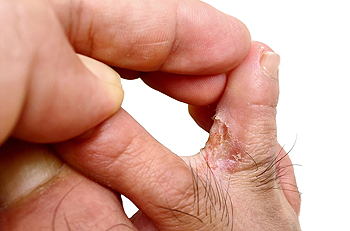
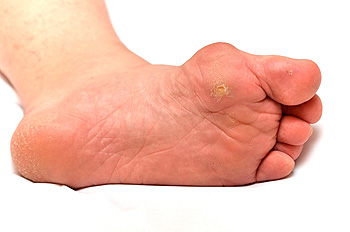
A corn on the foot may develop as a result of excess friction, and can be uncomfortable. It may develop between the toes, and appears to be a soft growth, often causing difficulty in walking. Additionally, many patients notice they form on top of the toes. This may be common in patients who have hammertoe. Mild relief may be found when the foot is soaked in warm water, as this generally helps to soften the corn. Corn pads can be worn while completing daily activities, and this is beneficial in protecting the affected area against additional friction. If you have corns, and would like advice about how to treat them, it is suggested that you consult with a podiatrist who can help you to manage this condition.
Corns can make walking very painful and should be treated immediately. If you have questions regarding your feet and ankles, contact Dr. Douglas Mckay of New Jersey . Our doctor will treat your foot and ankle needs.
Corns: What Are They? And How Do You Get Rid of Them?
Corns are thickened areas on the skin that can become painful. They are caused by excessive pressure and friction on the skin. Corns press into the deeper layers of the skin and are usually round in shape.
Ways to Prevent Corns
There are many ways to get rid of painful corns such as:
- Wearing properly fitting shoes that have been measured by a professional
- Wearing shoes that are not sharply pointed or have high heels
- Wearing only shoes that offer support
Treating Corns
Although most corns slowly disappear when the friction or pressure stops, this isn’t always the case. Consult with your podiatrist to determine the best treatment option for your case of corns.
If you have any questions please feel free to contact one of our offices located in Caldwell, and Galloway, NJ . We offer the newest diagnostic and treatment technologies for all your foot and ankle needs.
How Does an Ingrown Toenail Heal?
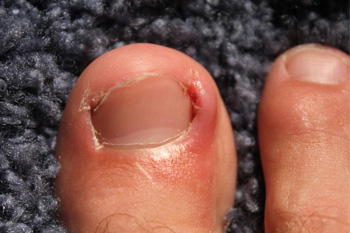 An ingrown toenail is an uncomfortable condition that generally affects the big toe. It occurs as a result of the toenail growing into the outer edges of the skin. Typical symptoms that many patients notice with this ailment can include redness, swelling, pain, and discomfort. Moderate relief may be found if larger shoes are worn as the healing process takes place, in addition to soaking the affected toe in warm water. In severe cases, the nail may become infected, and surgery may be required for proper healing. If you have an ingrown toenail, it is strongly advised that you consult with a podiatrist as quickly as possible to obtain the best treatment for your condition.
Ingrown toenails can become painful if they are not treated properly. For more information about ingrown toenails, contact Dr. Douglas Mckay of New Jersey . Our doctor can provide the care you need to keep you pain-free and on your feet.
Ingrown Toenails
Ingrown toenails occur when a toenail grows sideways into the bed of the nail, causing pain, swelling, and possibly infection.
Causes
- Bacterial infections
- Improper nail cutting such as cutting it too short or not straight across
- Trauma to the toe, such as stubbing, which causes the nail to grow back irregularly
- Ill-fitting shoes that bunch the toes too close together
- Genetic predisposition
Prevention
Because ingrown toenails are not something found outside of shoe-wearing cultures, going barefoot as often as possible will decrease the likeliness of developing ingrown toenails. Wearing proper fitting shoes and using proper cutting techniques will also help decrease your risk of developing ingrown toenails.
Treatment
Ingrown toenails are a very treatable foot condition. In minor cases, soaking the affected area in salt or antibacterial soaps will not only help with the ingrown nail itself, but also help prevent any infections from occurring. In more severe cases, surgery is an option. In either case, speaking to your podiatrist about this condition will help you get a better understanding of specific treatment options that are right for you.
If you have any questions please feel free to contact one of our offices located in Caldwell, and Galloway, NJ . We offer the newest diagnostic and treatment technologies for all your foot and ankle needs.
It's Time for Beautiful Feet

You don't need an excuse to have beautiful nails. Step outside without worrying about the appearance of your feet.
How Does Gout Occur?
 A condition that causes the big toe to become painful may be referred to as gout. Additional symptoms can include swelling, redness, and extreme discomfort. Patients who are afflicted with gout may find that their toe is so painful, it may be uncomfortable to have anything touch it. This condition is generally caused by elevated uric acid levels in the bloodstream. This can occur as a result of genetic factors, or by ingesting foods that have high purine levels. These can include shellfish, red meat, alcohol, and foods and drinks that have large amounts of sugar. There are measures that can be implemented which may help to prevent painful gout attacks. These typically consist of incorporating healthy eating habits into your daily routine, and practicing a gentle exercise regime. If you feel you have developed gout, it is strongly suggested that you consult with a podiatrist who can properly treat this condition.
Gout is a painful condition that can be treated. If you are seeking treatment, contact Dr. Douglas Mckay from New Jersey . Our doctor will treat your foot and ankle needs.
What Is Gout?
Gout is a form of arthritis that is characterized by sudden, severe attacks of pain, redness, and tenderness in the joints. The condition usually affects the joint at the base of the big toe. A gout attack can occur at any random time, such as the middle of the night while you are asleep.
Symptoms
- Intense Joint Pain - Usually around the large joint of your big toe, and it most severe within the first four to twelve hours
- Lingering Discomfort - Joint discomfort may last from a few days to a few weeks
- Inflammation and Redness -Affected joints may become swollen, tender, warm and red
- Limited Range of Motion - May experience a decrease in joint mobility
Risk Factors
- Genetics - If family members have gout, you’re more likely to have it
- Medications - Diuretic medications can raise uric acid levels
- Gender/Age - Gout is more common in men until the age of 60. It is believed that estrogen protects women until that point
- Diet - Eating red meat and shellfish increases your risk
- Alcohol - Having more than two alcoholic drinks per day increases your risk
- Obesity - Obese people are at a higher risk for gout
Prior to visiting your podiatrist to receive treatment for gout, there are a few things you should do beforehand. If you have gout you should write down your symptoms--including when they started and how often you experience them, important medical information you may have, and any questions you may have. Writing down these three things will help your podiatrist in assessing your specific situation so that he or she may provide the best route of treatment for you.
If you have any questions, please feel free to contact one of our offices located in Caldwell, and Galloway, NJ . We offer the newest diagnostic and treatment technologies for all your foot care needs.
Achilles Tendon Injuries Require Rest
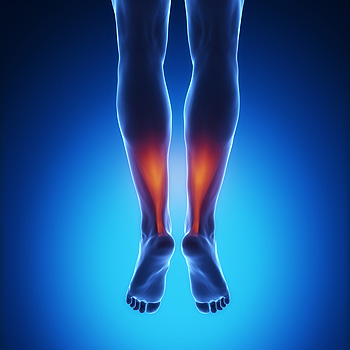 The Achilles tendon is considered to be the strongest tendon in the body. It is located in the back of the leg, and its function is to connect the calf muscles to the heel. If this tendon becomes damaged as a result of overuse, a torn Achilles tendon or tendonitis may develop. This type of injury can cause severe pain and discomfort, and it may be difficult to walk. Research has indicated it is important to perform a proper warm up before starting any running or jumping activity, as this may be helpful in preventing Achilles tendon injuries. If you have endured this type of injury, it may be beneficial to elevate the affected leg, to help reduce swelling. Additionally, it is imperative that the activity is temporarily stopped that caused the injury, and then possibly resumed at a gentler pace when the healing process is completed. If you feel you have injured your Achilles tendon, it is advised that you schedule an appointment with a podiatrist who can properly treat this type of injury.
Achilles tendon injuries need immediate attention to avoid future complications. If you have any concerns, contact Dr. Douglas Mckay of New Jersey . Our doctor can provide the care you need to keep you pain-free and on your feet.
What Is the Achilles Tendon?
The Achilles tendon is a tendon that connects the lower leg muscles and calf to the heel of the foot. It is the strongest tendon in the human body and is essential for making movement possible. Because this tendon is such an integral part of the body, any injuries to it can create immense difficulties and should immediately be presented to a doctor.
What Are the Symptoms of an Achilles Tendon Injury?
There are various types of injuries that can affect the Achilles tendon. The two most common injuries are Achilles tendinitis and ruptures of the tendon.
Achilles Tendinitis Symptoms
- Inflammation
- Dull to severe pain
- Increased blood flow to the tendon
- Thickening of the tendon
Rupture Symptoms
- Extreme pain and swelling in the foot
- Total immobility
Treatment and Prevention
Achilles tendon injuries are diagnosed by a thorough physical evaluation, which can include an MRI. Treatment involves rest, physical therapy, and in some cases, surgery. However, various preventative measures can be taken to avoid these injuries, such as:
- Thorough stretching of the tendon before and after exercise
- Strengthening exercises like calf raises, squats, leg curls, leg extensions, leg raises, lunges, and leg presses
If you have any questions please feel free to contact one of our offices located in Caldwell, and Galloway, NJ . We offer the newest diagnostic tools and technology to treat your foot and ankle needs.
How Do Bunions Develop?
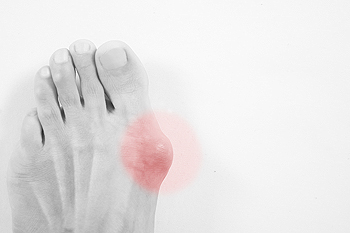 A bunion typically develops gradually, and is considered to be a deformity. It is defined as a bony protrusion that forms on the side of the big toe. This condition can occur as a result of genetic factors, or from wearing shoes that do not have adequate room for the toes to move freely in. Symptoms that many patients may experience are redness and swelling surrounding the affected area, a burning sensation, or the feeling of numbness. In severe cases, an X-ray may be necessary to perform to help determine how large the bunion is, in addition to observing any existing arthritis. Moderate relief may be found if orthotics are worn, as well as resting the foot. If the bunion is causing extreme pain, surgery may be a viable option for treatment. This can be successful in permanently straightening and realigning the joints and bones. If you have developed a bunion, it is advised that you schedule a consultation with a podiatrist who can offer treatment options that are correct for you.
If you are suffering from bunion pain, contact Dr. Douglas Mckay of New Jersey . Our doctor can provide the care you need to keep you pain-free and on your feet.
What Is a Bunion?
Bunions are painful bony bumps that usually develop on the inside of the foot at the joint of the big toe. As the deformity increases over time, it may become painful to walk and wear shoes. Women are more likely to exacerbate existing bunions since they often wear tight, narrow shoes that shift their toes together. Bunion pain can be relieved by wearing wider shoes with enough room for the toes.
Causes
- Genetics – some people inherit feet that are more prone to bunion development
- Inflammatory Conditions - rheumatoid arthritis and polio may cause bunion development
Symptoms
- Redness and inflammation
- Pain and tenderness
- Callus or corns on the bump
- Restricted motion in the big toe
In order to diagnose your bunion, your podiatrist may ask about your medical history, symptoms, and general health. Your doctor might also order an x-ray to take a closer look at your feet. Nonsurgical treatment options include orthotics, padding, icing, changes in footwear, and medication. If nonsurgical treatments don’t alleviate your bunion pain, surgery may be necessary.
If you have any questions, please feel free to contact one of our offices located in Caldwell, and Galloway, NJ . We offer the newest diagnostic and treatment technologies for all your foot care needs.

